Majority Leader Alexander Afenyo-Markin has strongly criticized the newly formed Operation Recover All Loot (ORAL) committee, describing it as unnecessary and potentially harmful to Ghana’s governance framework.
The ORAL initiative, announced by President-elect John Dramani Mahama, aims to investigate and recover alleged state resources looted during the Nana Addo Dankwa Akufo-Addo administration. The five-member committee includes prominent figures such as former Auditor-General Daniel Domelovo, retired Commissioner of Police Nathaniel Kofi Boakye, legal practitioner Martin Kpebu, and investigative journalist Raymond Archer.
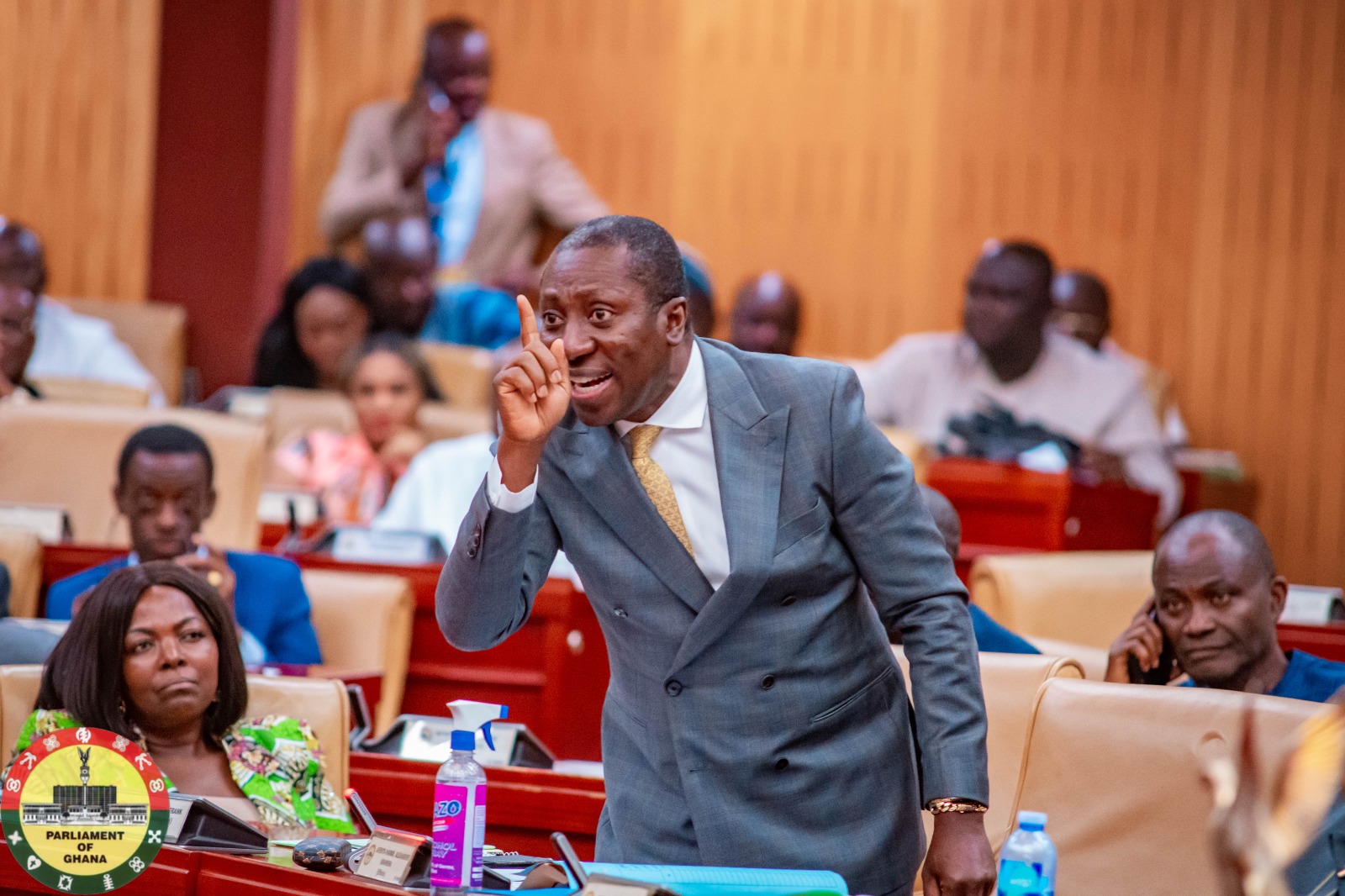
During his final remarks as Majority Leader of the 8th Parliament, Afenyo-Markin dismissed the initiative as a “wild goose chase,” warning that it could undermine existing state institutions tasked with fighting corruption. He also expressed concern that the committee might be used as a tool for political vendetta.
“I want to add my voice to the call for a better approach to handling allegations of corruption. We must allow the due process of law to take effect,” Afenyo-Markin stated. “It is on this note that I condemn, in no uncertain terms, the establishment of this so-called committee called ORAL. It is needless, lacks constitutional backing, and appears to serve personal vendettas rather than national interests.”
He further cautioned that the committee’s operations could create an atmosphere of fear and harassment, potentially destabilizing governance.
“We don’t need any so-called ORAL. We already have state institutions responsible for addressing corruption. Regardless of dissatisfaction with their performance, we must support and strengthen these institutions rather than duplicating their work or creating unnecessary tension,” Afenyo-Markin added.
He warned against the potential misuse of the committee, stating, “We don’t want people chasing others into their homes or harassing them on mere suspicion of corruption just because their government is in power.”
In response to these concerns, the Chairman of the ORAL committee, Samuel Okudzeto Ablakwa, reassured Ghanaians that the team would not duplicate the efforts of existing anti-corruption agencies. He emphasized that ORAL’s mandate is to complement institutional frameworks while maintaining transparency and fairness in its operations.
The establishment of ORAL has sparked intense debate, with critics questioning its necessity and supporters arguing for its potential to address corruption more effectively. As the Ninth Parliament begins its work, the committee’s impact on governance and public accountability remains to be seen.