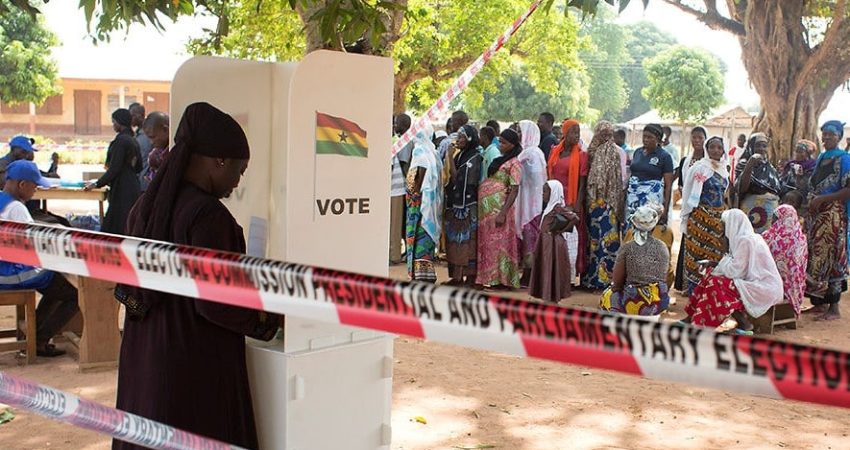
Today, December 7, Ghanaians will vote to elect a new president and 275 members of Parliament in what many consider one of the most significant elections in the nation’s history.
This election marks the end of President Nana Akufo-Addo’s administration as he completes the constitutional two-term limit.
The Race for the Presidency
The battle to succeed Akufo-Addo is primarily between Vice President Dr. Mahamudu Bawumia of the New Patriotic Party (NPP) and former President John Dramani Mahama of the National Democratic Congress (NDC).
Dr. Bawumia, an experienced economist, is campaigning on a platform of continuity, highlighting the NPP’s achievements in economic reforms, digitalisation, and infrastructure development.
On the other hand, John Mahama is seeking a return to power with promises of economic relief and social inclusivity. The NDC has focused its campaign on addressing Ghana’s current economic challenges, including high inflation and youth unemployment, which it attributes to the governing party’s policies.
Beyond the Two Main Parties
While the NPP and NDC dominate the spotlight, 12 other candidates are contesting the presidency. These include:
- Daniel Augustus Lartey (GCPP)
- Christian Kwabena Andrews (GUM)
- Kofi Akpaloo (LPG)
- Nana Akosua Frimpomaa Kumankuma (CPP)
- Hassan Abdulai Ayariga (APC)
- Mohammed Frimpong (NDP)
Additionally, four independent candidates—Alan Kwadwo Kyerematen, Nana Kwame Bediako, Kofi Koranteng, and George Twum-Barima-Adu—bring fresh perspectives, each promoting innovative policy ideas aimed at breaking the NPP-NDC political dominance.
Key Issues Shaping the Election
Several pressing issues have defined this election:
- Economic Challenges: Rising inflation, high national debt, and youth unemployment are major concerns. Both major candidates have promised to restore economic stability and growth.
- Youth and Technology: With a youthful electorate, technology, social media, and digital campaigns are playing a significant role in shaping voter opinions.
- Corruption and Governance: Citizens are demanding greater transparency and accountability, making anti-corruption policies a central theme of the campaigns.
Regions to Watch
Several regions are expected to play pivotal roles in determining the election’s outcome:
- Greater Accra and Central Regions: These swing regions are likely to be decisive in the presidential race.
- Ashanti and Eastern Regions: Known NPP strongholds, these regions are expected to heavily support Dr. Bawumia.
- Volta and Northern Regions: Traditional NDC strongholds will test Mahama’s ability to consolidate support.
- Western and Bono Regions: These areas have shown variable voting patterns and could be crucial battlegrounds.
Electoral Preparedness
The Electoral Commission (EC), led by Chairperson Jean Mensa, has confirmed the readiness of polling stations nationwide.
“All electoral materials have been deployed, and we are set to ensure a free, fair, and credible election,” Mensa assured during a press briefing.
A Nation Decides
As polling begins, the world looks on as Ghana once again demonstrates its reputation for democratic maturity.
Will Vice President Dr. Bawumia secure a historic first-term victory for the NPP, or will former President Mahama reclaim the presidency for the NDC? The answer lies in the hands of the voters.