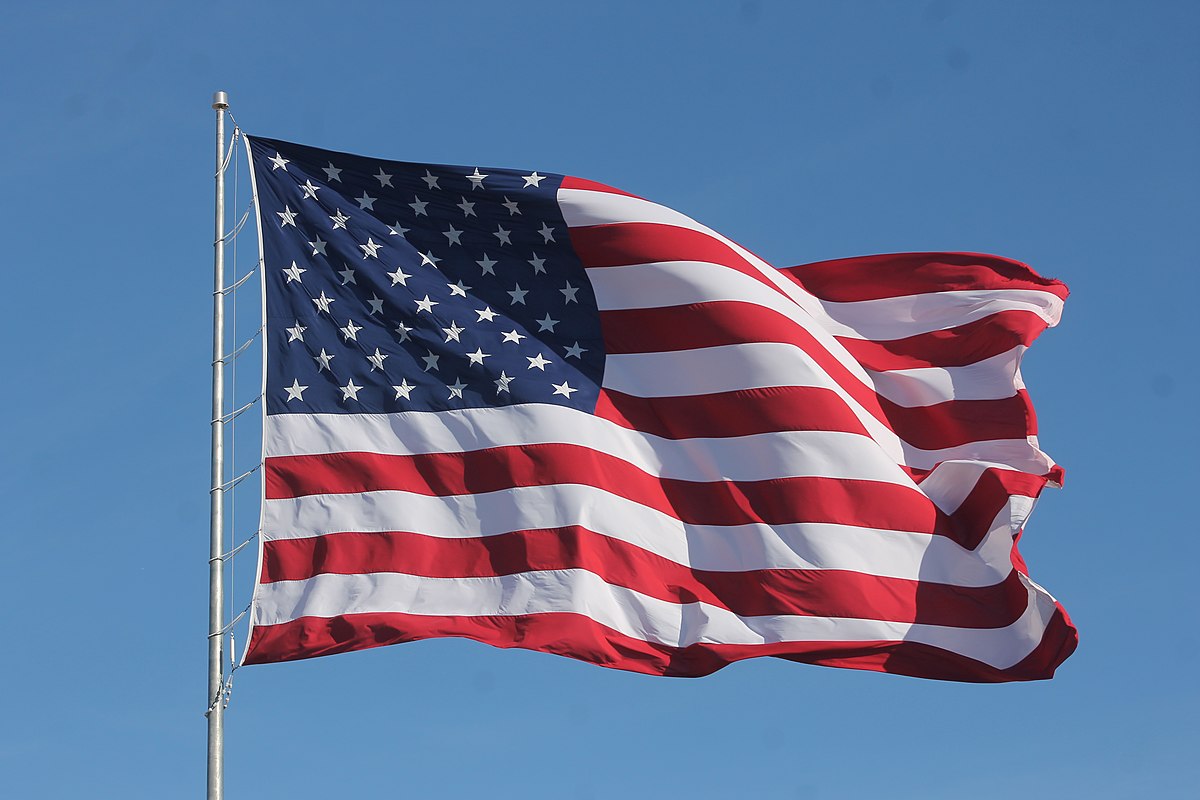
As America heads to the polls, the stakes are higher than ever, with voters facing a choice between two dramatically different visions for the country’s future. Donald Trump and Kamala Harris have each painted dire pictures of what could happen if they lose, framing the election as a moment of existential consequence. Trump warns that a loss could see America “go to hell” and fall into “communism,” while Harris warns that her opponent represents “fascism” and a desire for “unchecked power.”
In key battleground states, where both candidates are vying fiercely, campaign ads stoking fear have saturated the airwaves, leaving voters tense and anxious. Heather Soucek, a voter in Wisconsin supporting Trump, expressed her concerns over Harris’s economic policies, which she finds unsettling. Nearby, Tracy Andropolis, an independent voting for Harris, worries about Trump’s authoritarian tendencies, underscoring the deeply divided perspectives among voters.
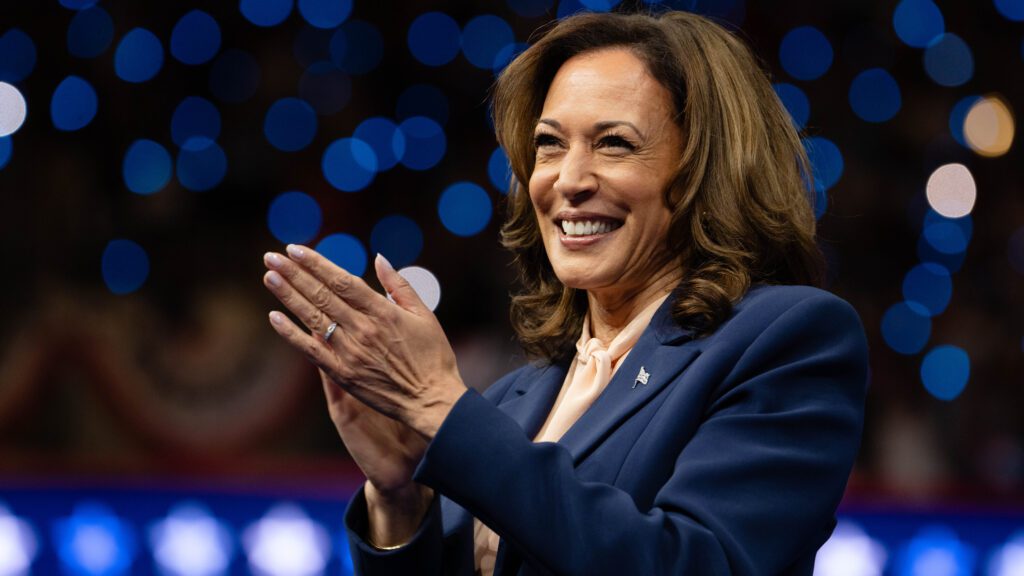
This division is evident in both geography and ideology, with Democrats concentrated in urban areas and Republicans in more rural settings. The polarization is so stark that some Americans struggle to comprehend why the race appears close, finding it hard to imagine millions voting for the other side. As they face election day, they’re braced for the inevitable shock that will follow when they realize how many Americans see the country’s future differently.
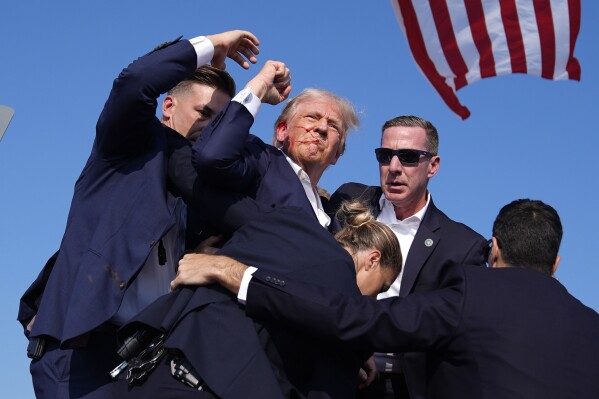
Both candidates have experienced unprecedented journeys to this election. Trump’s legal troubles, including a high-profile conviction and a shocking assassination attempt in Pennsylvania, have only intensified his supporters’ resolve, who see him as a martyr in a battle against a “weaponized” justice system. Each indictment seemed to fuel his popularity, with his mugshot becoming a rallying symbol for his campaign.
On the Democratic side, the initial anxiety surrounding Biden’s age and faltering campaign ultimately led to his decision to step aside, passing the torch to Kamala Harris. Her nomination reinvigorated Democrats, briefly stirring hope and enthusiasm. However, Harris has struggled to maintain that momentum among undecided voters, despite her focus on issues like reproductive rights and her efforts to project optimism.
Some voters, like Zoie Cheneau in Atlanta, feel torn, seeing it as a choice between “the lesser of two evils.” Although Cheneau ultimately leans towards Harris, she acknowledges Trump’s appeal to small business owners, highlighting the ambivalence that many feel.
The two political tribes, split by ideology and conviction, approach this election as if it were a battle for America’s very soul. Both sides see the stakes as apocalyptic, believing that the outcome could reshape the country for generations. With tensions high, the aftermath is expected to be tumultuous, with possible legal challenges and protests likely.
In the end, America stands on the precipice, divided yet bound by a common process. As they cast their votes, citizens across this split nation will have to confront the reality that half of their country envisions a very different future. For those on the losing side, it will be a sharp reminder of the divide that continues to define American life.